


Travel that enriches you, benefits Egyptian communities and helps protect Egypt’s environment, heritage and biodiversity.
Plan a responsible tripRead our policyAs an Egyptian destination management company, we are committed to ensuring that tourism contributes positively to the places and people that make our country unique.
At Mr & Mrs Egypt, we believe that travel should enrich the lives of travellers while creating meaningful benefits for local communities and helping protect Egypt’s environment, heritage and biodiversity.
As an Egyptian destination management company, we are committed to ensuring that tourism contributes positively to the places and people that make our country unique. Our approach is built around three pillars: reducing carbon emissions; protecting nature, wildlife and cultural heritage; and maximising benefits for local communities.
Travel inevitably creates emissions, and we are committed to reducing the impact of our operations wherever possible.
Egypt’s natural landscapes, marine environments, deserts and historic sites are among its most valuable assets. We are committed to ensuring tourism supports their long-term protection.
When operating experiences in the Red Sea, Sinai, the White Desert, the Black Desert, Fayoum and protected areas, we follow principles of minimal environmental impact. Guests are encouraged to leave no trace, avoid disturbing wildlife, refrain from removing natural materials, and follow conservation guidelines issued by local authorities.
Mr & Mrs Egypt does not knowingly support experiences involving animal performances, exploitative wildlife interactions or cruel treatment of animals. Activities involving camels, horses or other working animals are selected only where welfare standards are considered acceptable.
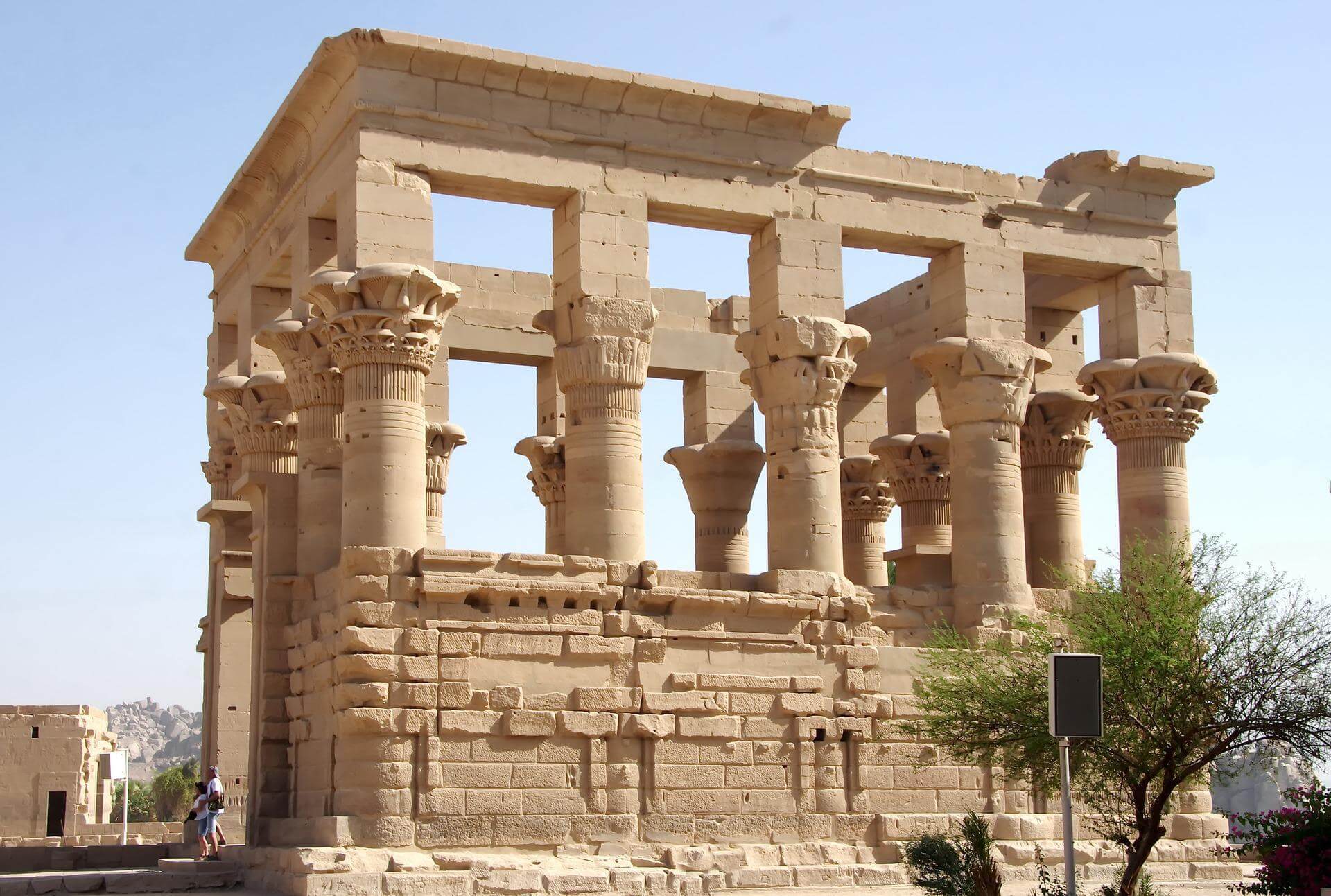
We encourage respectful behaviour at archaeological sites, religious sites, UNESCO World Heritage locations and in local communities. Guests receive guidance on responsible photography, dress codes and cultural etiquette.
We believe tourism should generate meaningful economic opportunities for Egyptians.
Our itineraries aim to create meaningful interactions with local communities while respecting local traditions and privacy. These may include artisan workshops, cultural experiences, community-based tourism initiatives, and locally operated food and culinary experiences.
Before arrival, guests receive information covering:
Client deposits are held in a separate, dedicated account and are not used for day-to-day running costs. Funds are transferred to our operating account to pay suppliers only once the final balance has been paid. Mr & Mrs Egypt also holds a public liability insurance policy.
We expect our suppliers to support our responsible travel objectives by:
Supplier sustainability considerations will become an increasingly important factor in future contracting decisions.
Responsibility is a journey rather than a destination. We will annually review:
This policy will be publicly available and reviewed each year.
Efficient route planning, longer and slower journeys, and overnight sleeper trains between Cairo and Upper Egypt where practical, instead of extra domestic flights.
We partner with hotels showing energy-efficiency, renewable-energy and water-conservation initiatives, and encourage them to cut food waste and single-use plastics.
Vegetarian and plant-based dining options are included in our itineraries.
Digital travel documents and itineraries, a paper-light office, cloud systems and virtual meetings where appropriate.
We review suppliers to assess environmental performance and favour those who reduce plastic, recycle, conserve water and protect ecosystems.
In the Red Sea, Sinai, the White and Black Deserts, Fayoum and protected areas we follow principles of minimal environmental impact.
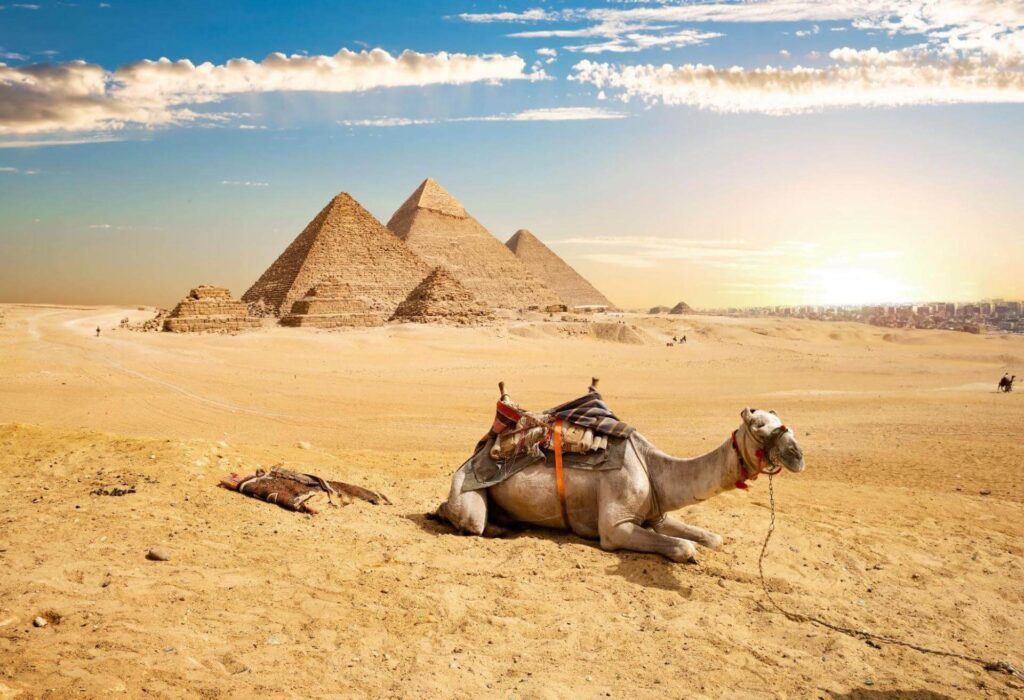
Mr & Mrs Egypt does not knowingly support experiences involving animal performances, exploitative wildlife interactions or cruel treatment of animals.
Choose slower journeys: the overnight sleeper train between Cairo and Upper Egypt is part of the adventure.
Eat at locally owned restaurants and try the plant-based dishes in Egyptian cuisine.
Buy directly from Egyptian artisans, craftspeople and small enterprises.
Keep to paths at archaeological sites and never touch reliefs or remove anything.
In the desert and at sea, leave no trace and follow local conservation guidelines.
Ask before photographing people, and respect photography rules inside sites.
Dress modestly, especially at religious sites and in rural communities.
Decline experiences that involve animal performances or exploitative wildlife contact.
Before arrival, every guest receives guidance on local customs, cultural sensitivities, environmental responsibilities and responsible photography. Here are the essentials.

Egypt depends on the Nile. Use water thoughtfully at your hotel and on board, and join in the water-conservation programmes our partner hotels run.

Help us reduce single-use plastics on touring days. Choose reusable options where you can and take waste away with you from desert and marine sites.
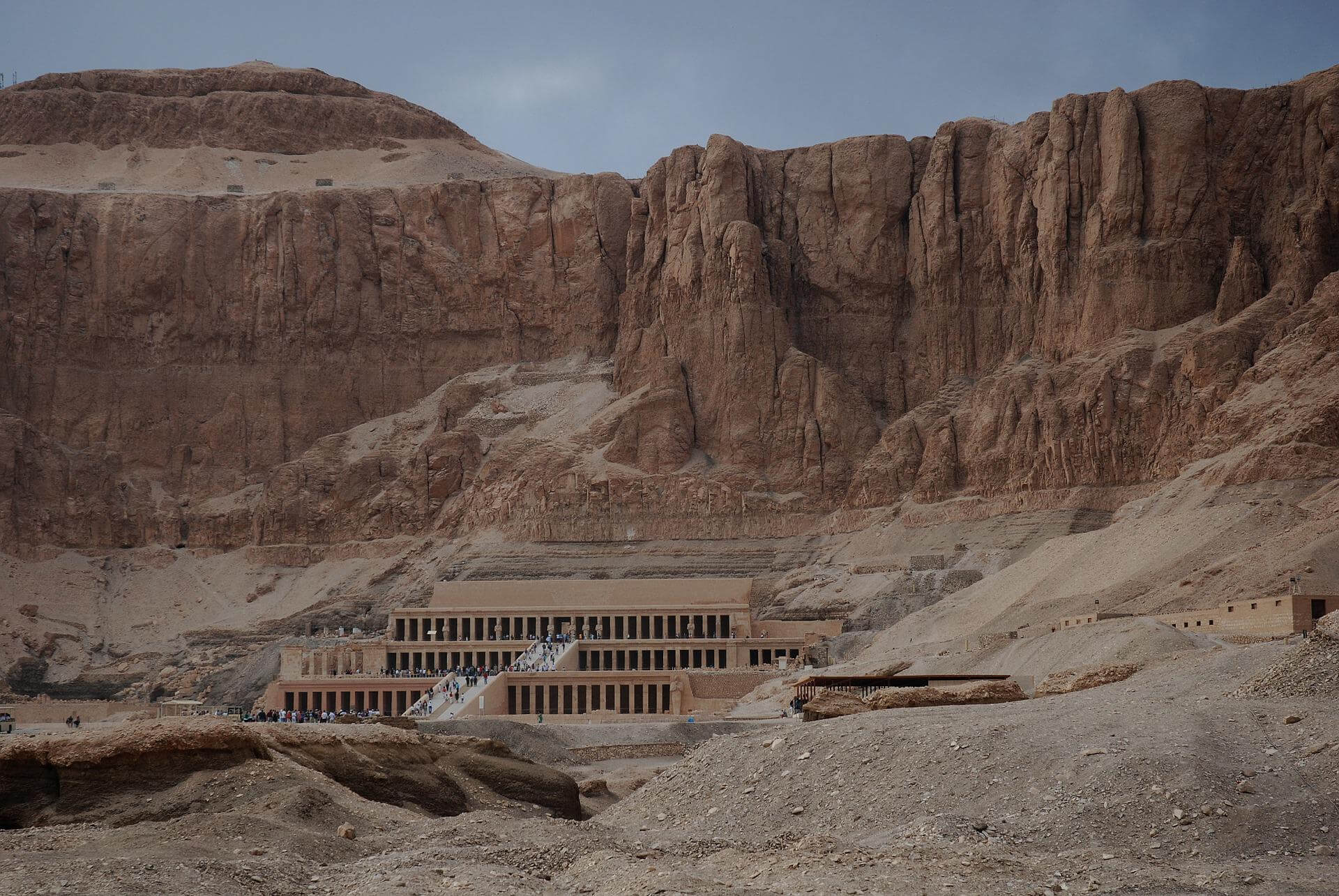
Always ask before photographing people, respect signs where photography is restricted at sites and in tombs, and be mindful of privacy in local communities.

Egyptian hospitality is legendary. Greet people warmly, respect local traditions and privacy, and ask your guide whenever you are unsure what is appropriate.

At mosques and churches, cover shoulders and knees; women may be asked to cover their hair in mosques, and shoes are removed before entering. Your guide will brief you on each visit.
Avoid disturbing wildlife, never remove natural materials, and steer clear of animal performances. We only select camel and horse activities where welfare standards are acceptable.

Tipping is a customary part of life in Egypt and an important source of income for guides, drivers and hospitality staff. Our pre-arrival information explains what is customary, and your guide can advise on the spot.
Tell us how you’d like to experience Egypt and we’ll design a private journey that respects its people, places and wildlife.
Plan a responsible tripContact usCall us: +20 102 210 6120